The prize money sat inside a locked case on the back of a truck, bright beneath the afternoon sun. Beyond the viewing platform, dark water stretched between cypress trees. Every so often, an alligator’s ridged back appeared on the surface, then slipped out of sight.
Grant Hale had organized the event to draw attention to his outdoor adventure brand. A line of cameras faced the lagoon, sponsor banners hung from the railings, and a crowd had gathered behind the marked safety boundary.
Grant lifted the microphone.
“One million dollars,” he announced, holding up the sealed case. “That’s the prize for anyone who can cross this lagoon.”
A few people laughed nervously. Several hired stunt performers exchanged looks, but nobody moved toward the shore. The alligators were easy to see. So was the warning sign beside the platform.
Grant waited for someone to accept. No one did.
Then a boy near the back stepped forward.
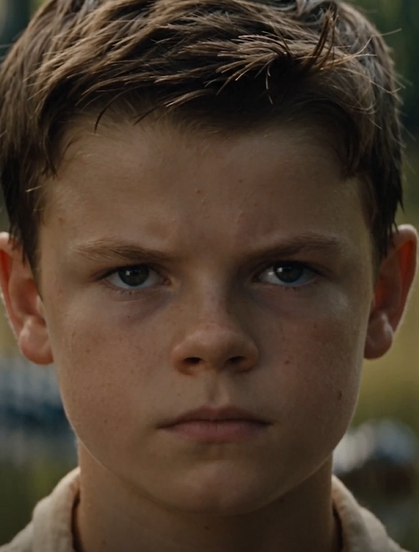
His name was Eli Marrow. He wore old denim shorts and a sun-faded hat, and he looked as if he knew the preserve well. People shifted to let him through.
“I can get across,” Eli said.
A hush fell over the crowd. Grant leaned over the railing.
“You’re not going into that water,” he said.
Eli shook his head. “I’m not asking to.”
Grant lowered the microphone. “Then what do you mean?”
“I know this place. You should stop the event.”
That answer puzzled Grant. “Why?”
Eli pointed toward a cluster of reeds some distance from the platform. At first, Grant saw only shadows and tangled vegetation.
“Something is caught over there,” Eli said. “I noticed it when I came by earlier.”
Grant glanced toward the water. “You’re sure?”
“I saw the reeds moving, but nothing was getting away.”
The cameras turned toward the spot. A few people started to edge closer to the railing for a better view.
Eli raised a hand. “Everyone should stay back.”
The seriousness in his voice silenced the crowd. Grant looked again at the sign posted beside the deck, then at the lagoon. The event had been designed to make danger look entertaining. Now, the boy was asking him to treat the place as real.
Grant picked up his radio and contacted the preserve’s staff. He announced that the challenge was paused and asked the audience to remain behind the barriers.
Within minutes, the wildlife team arrived. They assessed the area from a safe vantage point and confirmed that an animal had become entangled in discarded netting. No one from the crowd was permitted to approach. The staff organized a response and kept spectators well back while they worked.
Grant stood beside the platform, watching the crew. His producers had expected a dramatic crossing, a cheering audience and a triumphant finish. Instead, the cameras recorded a quiet scene: trained workers focused on the animal, families waiting behind the safety line, and a boy who had spoken up before anyone got hurt.
When the team finished, the young alligator moved away from the reeds. The water gradually settled.
Grant turned to Eli. “How did you know something was wrong?”
“I spend time here,” Eli said. “You start noticing when a place doesn’t look the way it should.”
“You weren’t going to cross?”
“No. They’re not pets. I know where they live, but that doesn’t make the water safe.”
Grant looked across the lagoon. He had invited people to treat the habitat as an obstacle to overcome. Eli had reminded him that the animals were not part of a performance.
The event crew began taking down the banners. Grant’s producer asked whether they should continue filming.
“Keep recording,” Grant said, “but don’t make this a stunt.”
He stepped back before the cameras and took the microphone.
“The challenge is canceled,” he announced. “No prize is worth asking someone to enter dangerous water. We’re directing the money toward the preserve’s wildlife program and habitat care.”
The crowd applauded. Eli stayed near the observation deck, watching the alligators return to the shaded edge of the lagoon.
Grant joined him, leaving the prize case behind.
“I thought people would remember someone crossing the water,” he said.
“They’ll remember what you do now,” Eli replied.
For a while, neither of them spoke. The cameras remained pointed toward the wetlands, but the scene no longer belonged to Grant or his sponsors. The lagoon had returned to its own rhythm.
That afternoon, Grant learned that a boundary could be more than a line on the ground. Sometimes it was the choice to stop, listen and let wild animals remain wild.
Wildlife safety note: Observe alligators from a safe distance. Don’t feed or harass them, and contact local wildlife authorities if an animal appears trapped or poses a concern.